
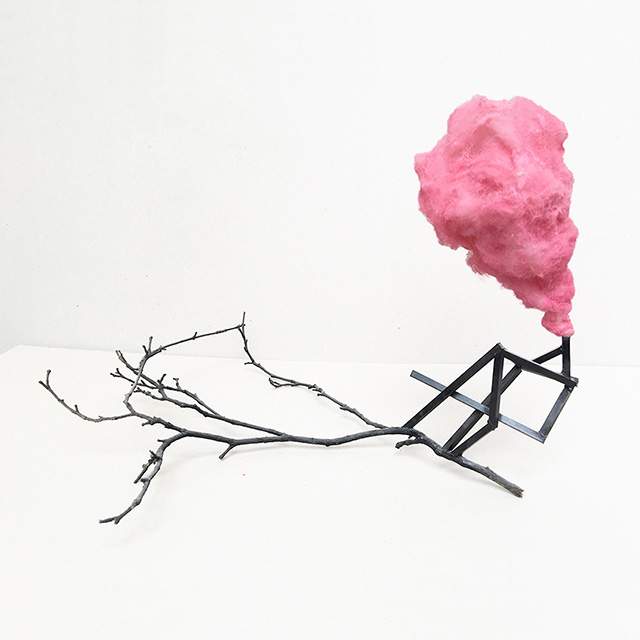
Aesthetics of vulcanic catastrophe
2019
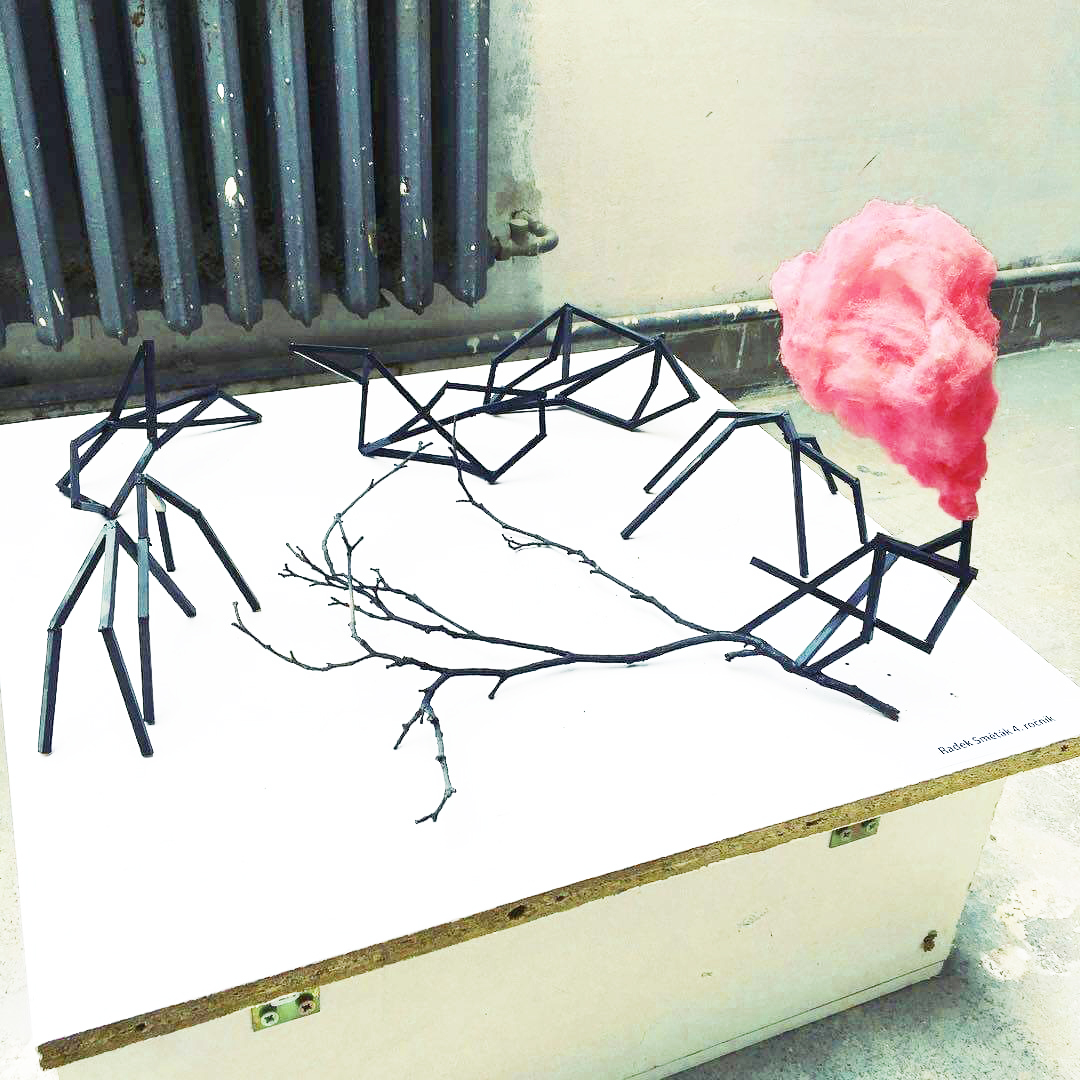
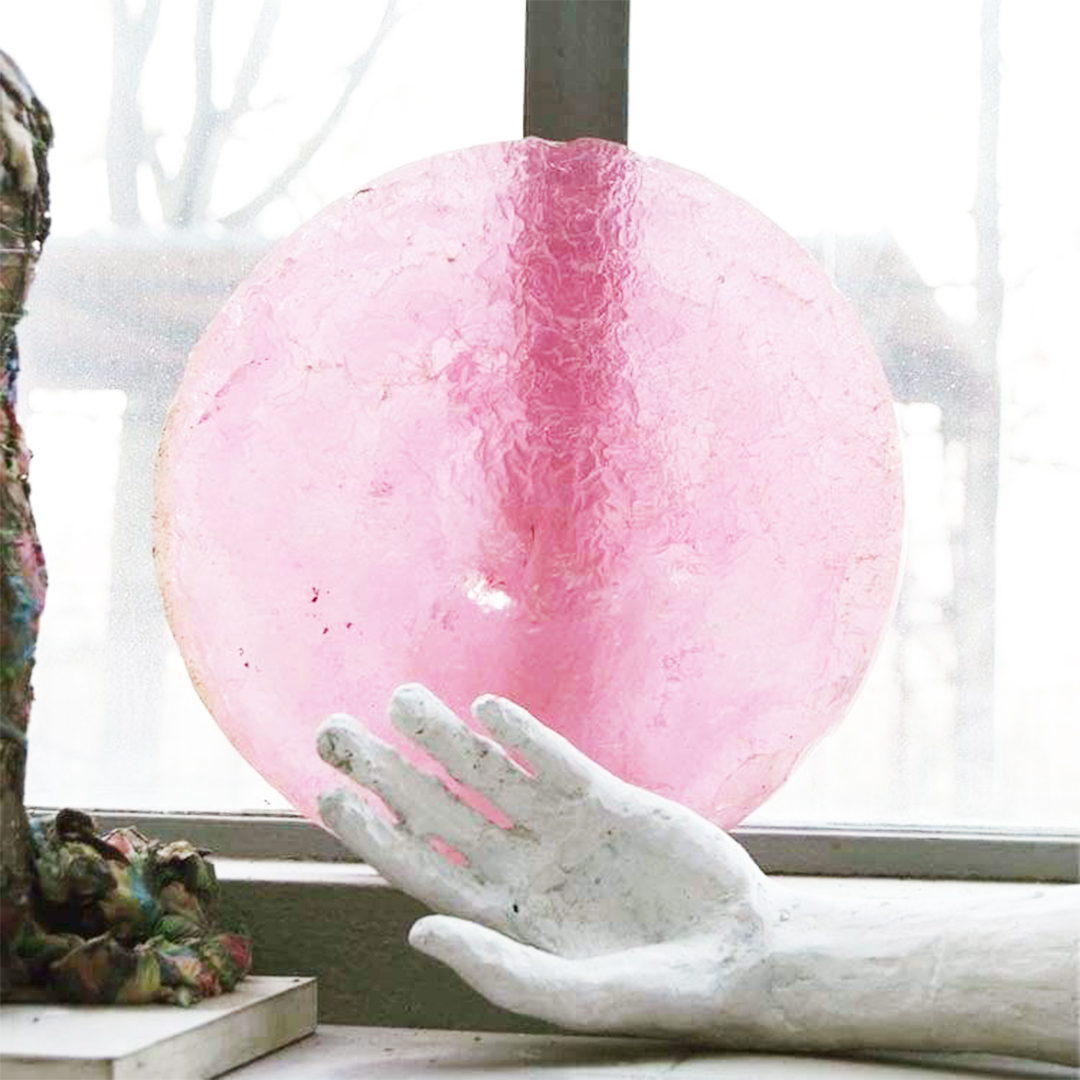
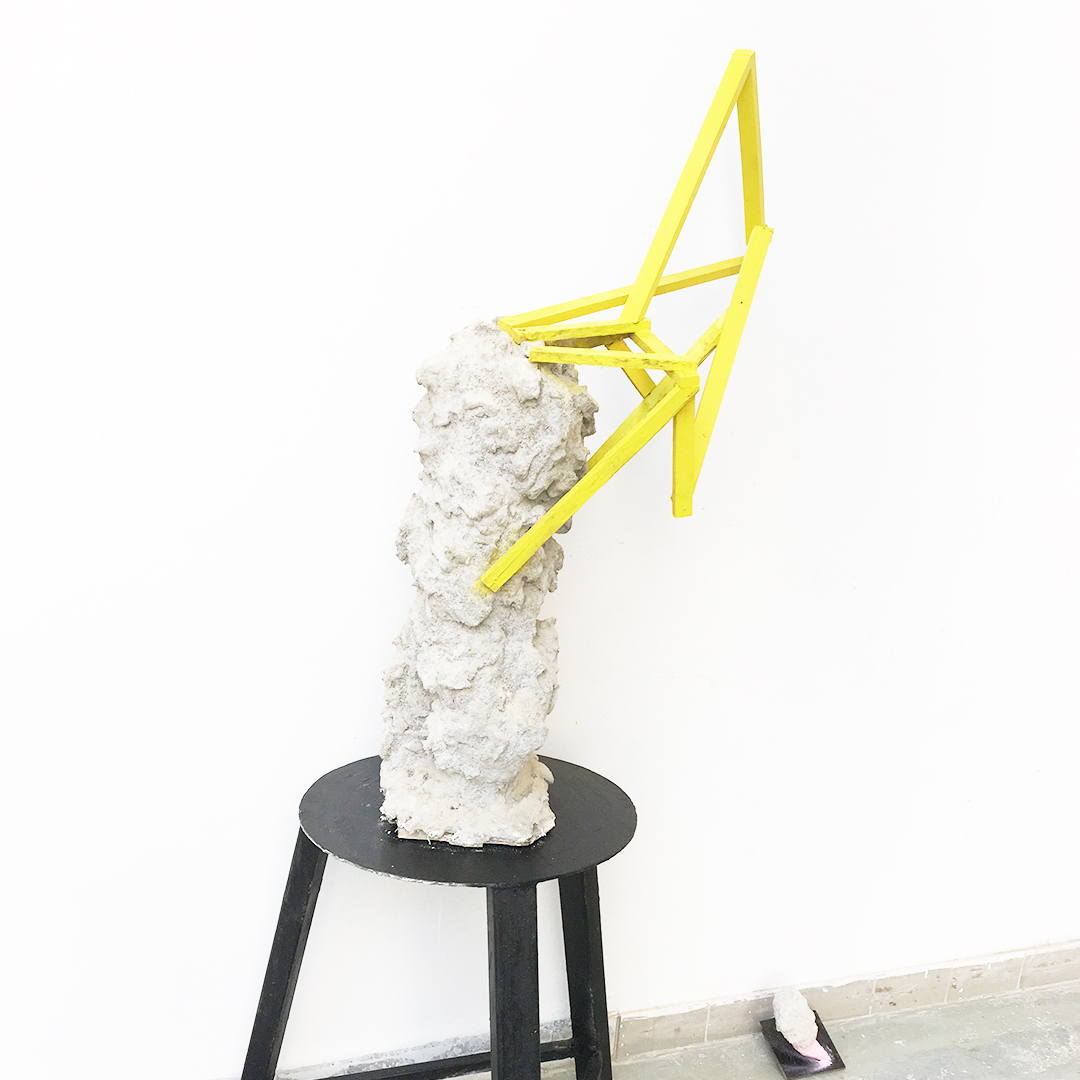
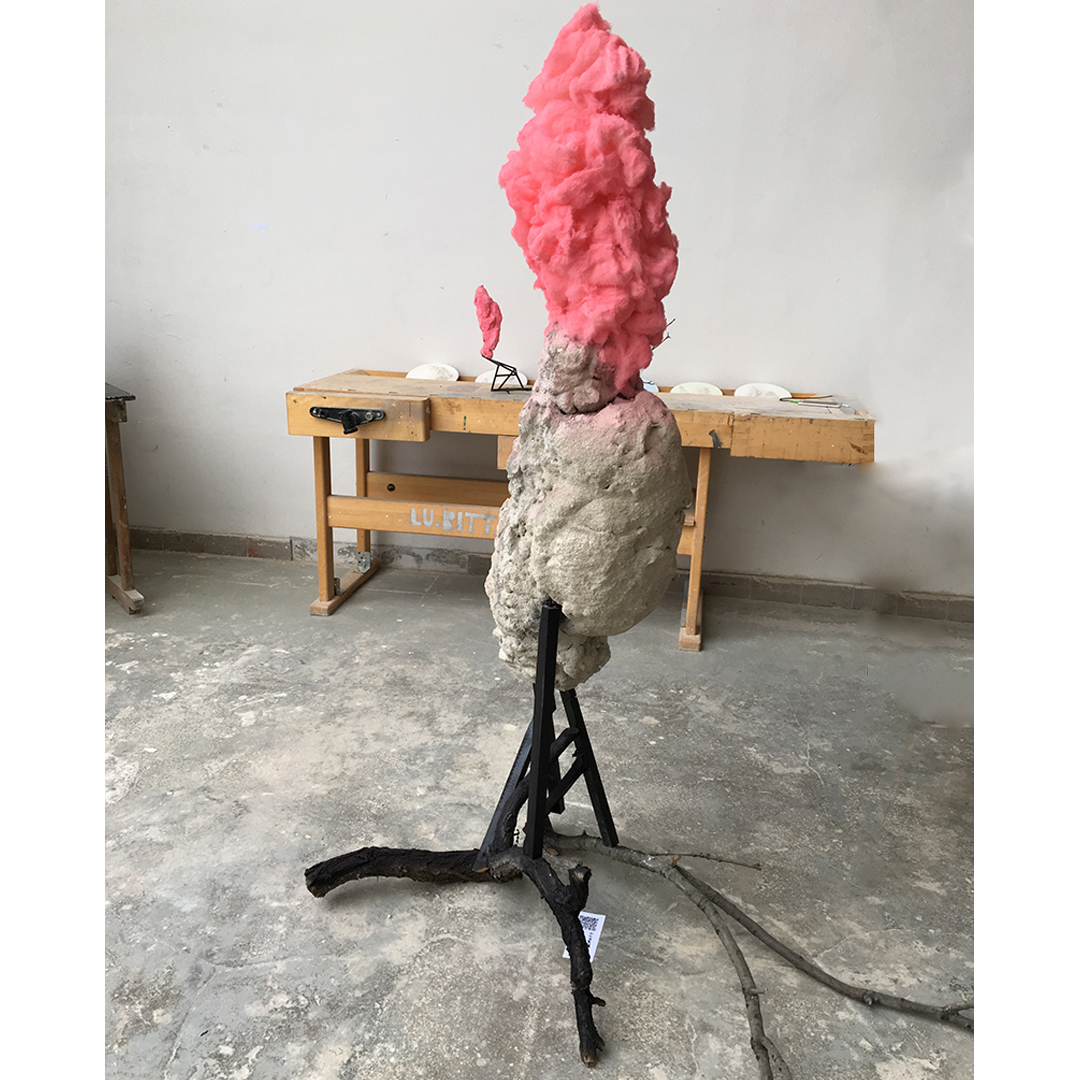
Cz: Jsem dlouhodobě velmi ovlivněn japonskou estetikou, celkově sociálně-kulturním okruhem Japonských ostrovů. Tudíž směřuji k japonismu, právě tyto poznatky jsou mi inspirací v myšlenkových pochodech, tak i jistým vzorem ve vizuální kultuře. Nedávno jsem četl Petr Zahrádka – Estetika na přelomu milénia, a téměř současně Junichiro Tanizaki – chvála stínů – zde popisuje principy vnímaní v japonské estetice. Přesto, že v pojednání zajímá především o světlu a stínu, avšak jsou dobrým vhledem do uvažování o estetice society a odezvou druhé strany o výtvarné kultuře západu. Právě zde, ve střetávání vlivu východního se současným moderním uměním a obojími pojetími minimalismu, se schází v tématu katastrofy a smrti, kde se kultury shodují v emočním pochopení dramatu destrukce. Zároveň se nám s dostatkem odstupu jeví jako zajímavá až krásná scenérie záhuby. Rezonuje s našimi sobeckými pocity zániku společnosti, a až láká k jejímu blízkému shlédnutí a vystavení se možnosti smrti.
Inspirací mi bylo neustálé zakoušení Japonska a jeho vyrovnávání se se svojí velmi složitou a nepředvídatelnou geologickou existenci jež obsahuje cca 1500 zemětřesení za rok 111 aktivních sopek a zjizvenou stále tvořící se krajinu, jež je hluboce zanesena do podvědomí obyvatel tak i do filozofie, náboženství, a do estetiky. Toto intuitivní trauma je vneseno natolik že je jeví jako něco normálního každodenního. Všiml jsem si těchto momentů. Pokusil jsem se vyextrahovat jádro a zasadit jej do své tvorby.
„Je to esence všude-přítomného vědění o potenciální smrtelnosti, historicky procházející konstantní zkušeností všech generaci o výpovědi křehkosti existence a krátkosti lidského života, oproti kolosu přírody, dlouhověkých hor a stálé geologické aktivity.“ Tyto myšlenky se objevují až později v evropské filozofii, jako nihilismus a v současnosti se stává stále populárnější vesmírný nihilismus, který je spojený s krizí existence a hédonismem – zde můžeme najít souvislost mezi současným Japonskem a západem.
En: I have long been very influenced by Japanese aesthetics, the overall socio-cultural circle of the Japanese islands. Therefore, I am moving towards Japaneseism, it is these findings that inspire me in thought processes, as well as a certain pattern in visual culture. I recently read Petr Zahrádka – Aesthetics at the turn of the millennium, and almost at the same time Junichiro Tanizaki – praise of the shadows – here he describes the principles of perception in Japanese aesthetics. Despite the fact that in the dissertation he is mainly interested in light and shadow, but they are a good insight into thinking about the aesthetics of society and the other party’s response about the art culture of the West. It is here, in the clash of Eastern influence with contemporary modern art and both conceptions of minimalism, that the theme of catastrophe and death meets, where cultures agree in an emotional understanding of the drama of destruction. At the same time, with a sufficient distance, it seems to us to be an interesting to beautiful scenery of doom. It resonates with our selfish feelings of the demise of society, and all the time it attracts to its close viewing and exposure to the possibility of death.
I was inspired by Japan’s constant experience and its coping with its very complex and unpredictable geological existence, which includes about 1,500 earthquakes in 111 active volcanoes and a scarred still-forming landscape that is deeply ingrained in the subconscious and philosophy, religion, and to aesthetics. This intuitive trauma is introduced so much that it seems like something normal everyday. I noticed these moments. I tried to extract the core and put it into my work. “It is the essence of ubiquitous knowledge of potential mortality, historically a constant experience of all generations of the fragility of existence and the shortness of human life, as opposed to the colossus of nature, the long-lived mountains and constant geological activity.”
These ideas only appear later in European philosophy, such as nihilism, and the cosmic nihilism associated with the crisis of existence and hedonism is becoming more and more popular today – here we can find a connection between contemporary Japan and the West.

 ANN EXCENDENT